
What to Do When a Mother Is Unable to Breastfeed
For many mothers, breastfeeding is the preferred way to nourish their newborns. However, some face challenges—low milk supply, medical conditions, or personal circumstances—that make breastfeeding difficult or impossible. If you're in this situation, rest assured that infant formula is a safe and nutritious alternative that can support your baby’s healthy growth and development. Our guide covers most of the things you as a mom would need to know about formula feeding.
Why Some Mothers Use Formula
While the World Health Organization (WHO) and other health organizations recommends exclusive breastfeeding for the first six months, some mothers cannot breastfeed due to:
- Delayed or low milk supply (common after C-sections or stressful deliveries)
- Medical conditions (e.g., HIV, certain medications, or breast surgery complications)
- Personal or logistical reasons (returning to work, mental health concerns, or adoption)
If breastfeeding isn’t working for you, formula feeding ensures your baby gets the essential nutrients they need.
Infant Formula: A Nutritious Alternative
When breastfeeding isn't an option, infant formula provides a balanced source of nutrition that meets a baby's needs. Keep in mind that regular cow's or goat's milk is not suitable for infants under one year old, as it has too much protein and salt while lacking essential nutrients.
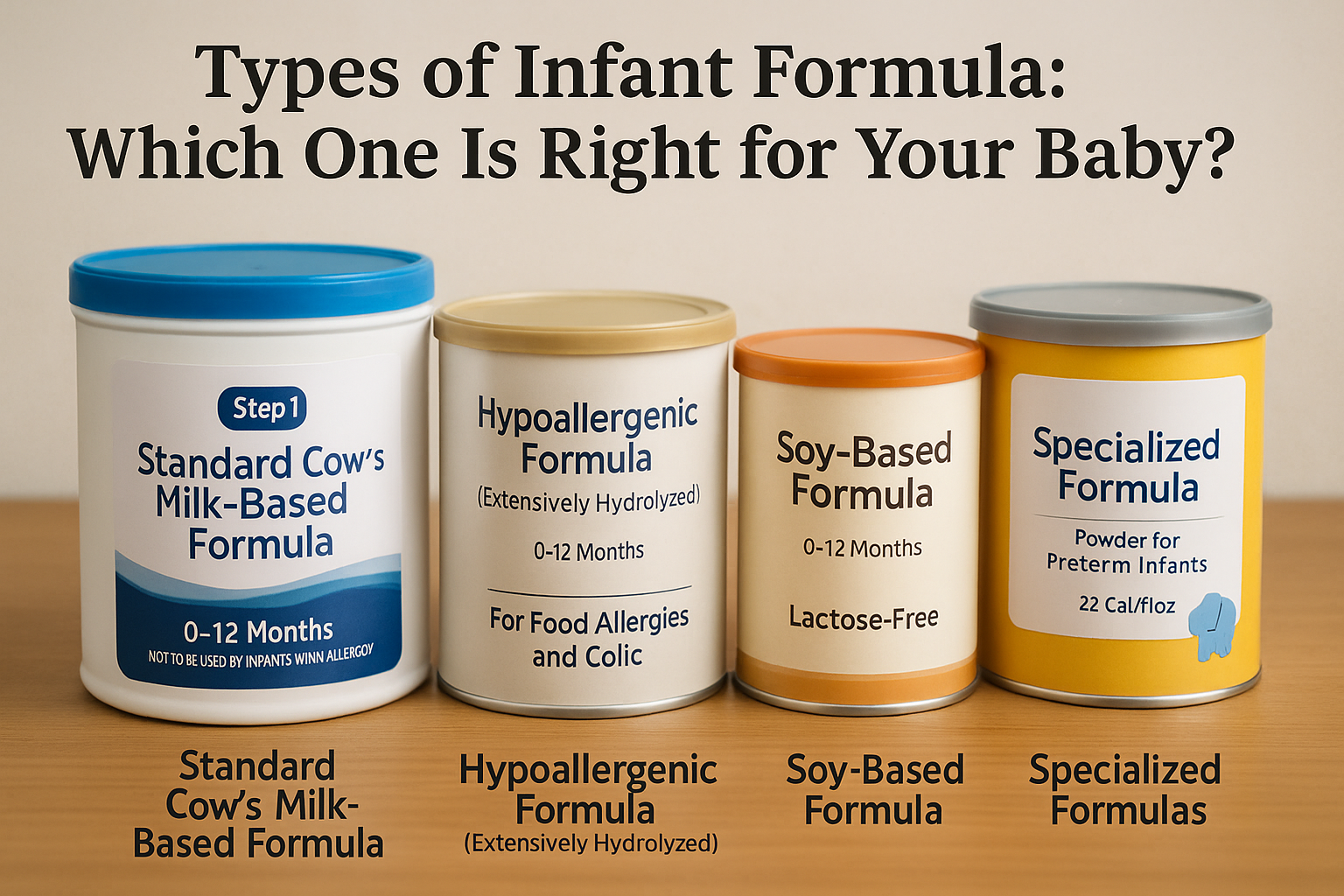
Types of Infant Formula: Which One Is Right for Your Baby?
Not all formulas are the same. Here are some of the main types:
1. Standard Cow’s Milk-Based Formula
- Best for: Most healthy, full-term babies
- Features: Fortified with iron, vitamins, and fatty acids (like DHA and ARA) to mimic breast milk.
- Examples: Similac Advance, Enfamil Infant
2. Hypoallergenic Formula (Extensively Hydrolyzed)
- Best for: Babies with milk protein allergies or severe reflux
- Features: Proteins are broken down for easier digestion.
- Examples: Nutramigen, Alimentum
3. Soy-Based Formula
- Best for: Babies with lactose intolerance or galactosemia (rare metabolic disorder)
- Caution: Not recommended for premature babies or those with milk allergies unless advised by a doctor.
4. Specialized Formulas
- For Premature/Low Birth Weight Babies: Higher in calories and nutrients (e.g., Enfamil Enfacare, Similac NeoSure)
- For Reflux: Thicker formulas (e.g., Enfamil AR, Similac for Spit-Up)
- For Colic/Gas: Partially hydrolyzed proteins (e.g., Gerber Good Start Soothe)
Nonetheless, it is important to understand that formula milk is designed to meet a baby’s nutritional needs at different stages:
- Newborn (0-6 months): Use infant formula (Stage 1), which is closest to breast milk.
- Older infants (6-12 months): Follow-on formula Types of Infant Formula: Which One Is Right for Your Baby?(Stage 2) supports growth as babies start solids as it contains more iron and nutrients.
- Specialized formulas: Hypoallergenic, lactose-free, or anti-reflux formulas are available for babies with allergies or digestive issues.
Cost of Formula in Kenya & How to Save Money
Formula can be expensive, especially for long-term use. Here’s a simple breakdown of costs and ways to manage expenses:
Monthly Cost Estimates (Based on Average Consumption)
- Standard formula (Stage 1): KSh3,000 – KSh7,500 per month (3-5 tins)
- Specialty formulas (hypoallergenic, anti-reflux): KSh5,000 – KSh12,500 per month (3-5
Ways to Reduce Costs
✔ Buy in bulk – Some pharmacies offer discounts for buying multiple tins such as My Dawa
✔ Compare prices – Supermarkets (Naivas, Carrefour, MyDawa) sometimes have promotions.
✔ Check for generics – Brands like Tuzo (by Bidco) are more affordable.
✔ Use loyalty programs – Some baby shops offer points for discounts on future purchases.
✔ Avoid hoarding – Only buy what you need to prevent shortages and price hikes.
Possible Side Effects & When to See a Doctor
While formula is safe, some babies may experience:
- Gas, constipation, or spit-up (try a different formula if persistent)
- Allergic reactions (rashes, vomiting, diarrhea) – Switch to hypoallergenic formula if needed.
- Overfeeding risk – Formula-fed babies may gain weight faster than breastfed babies.
When to Seek Medical Advice
- Blood in stool
- Extreme fussiness or refusal to feed
- Severe diarrhea or vomiting
Final Tips for Parents Using Formula
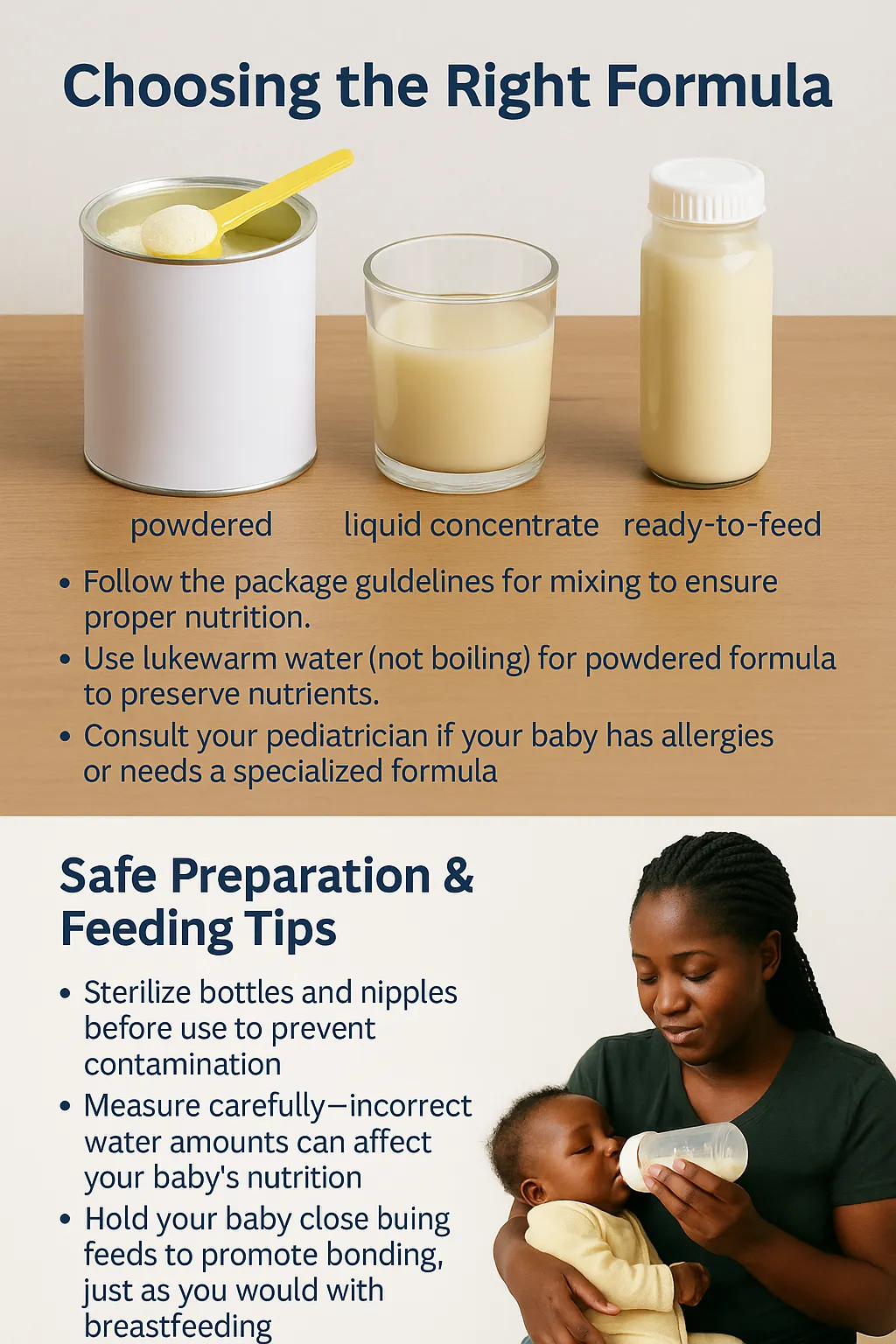
✅ Prepare formula safely – Use boiled, cooled water and sterilize bottles.
✅ Hold your baby close during feeds – Bonding is still important.
✅ Don’t switch formulas too quickly – Give your baby time to adjust.
✅ Consult a pediatrician before changing formulas.